Can a power station run a home oxygen concentrator (5 L)?
Updated
Short answer
Only as a short bridge. A 5 L home concentrator draws about 350 W nonstop, so a 1,000 Wh power station lasts about 2.5 hours and even a 4,000 Wh unit lasts only about 10.
Home oxygen concentrators are much hungrier than portable ones, at about 350 W for a 5 L unit. Inogen's At Home 5 L model uses a 275 W supply. Unlike a fridge, the compressor never cycles off. It runs the whole time the machine is on. Makers do not publish a start-up surge, so we plan for about 1,050 W, three times the running draw, which most stations can handle. The Jackery Explorer 300 v2, at 300 W of output, cannot run one at all, and the Goal Zero Yeti 500's 1,000 W surge is too tight to count on.
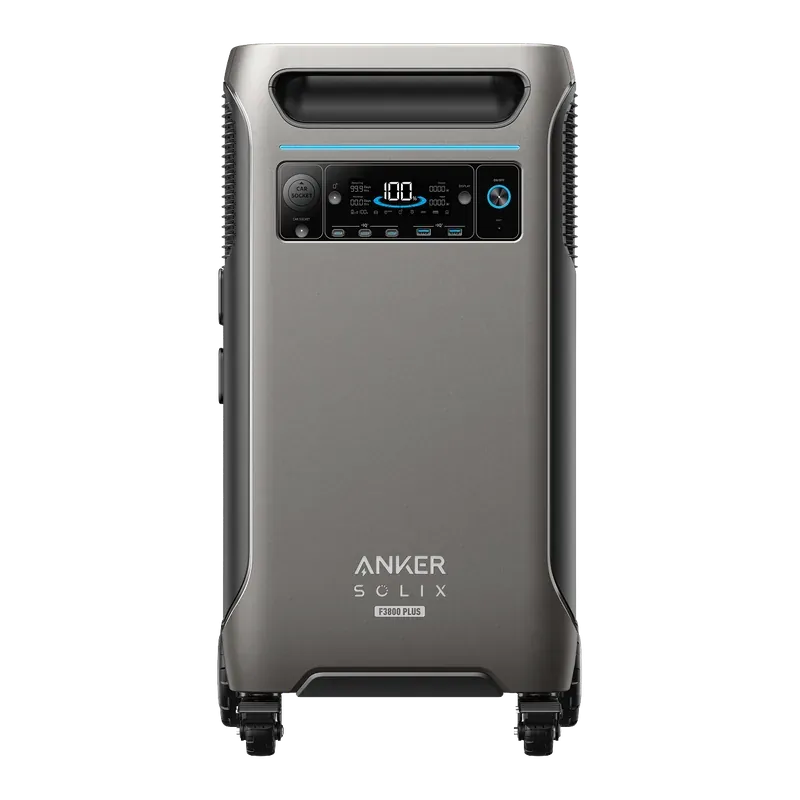
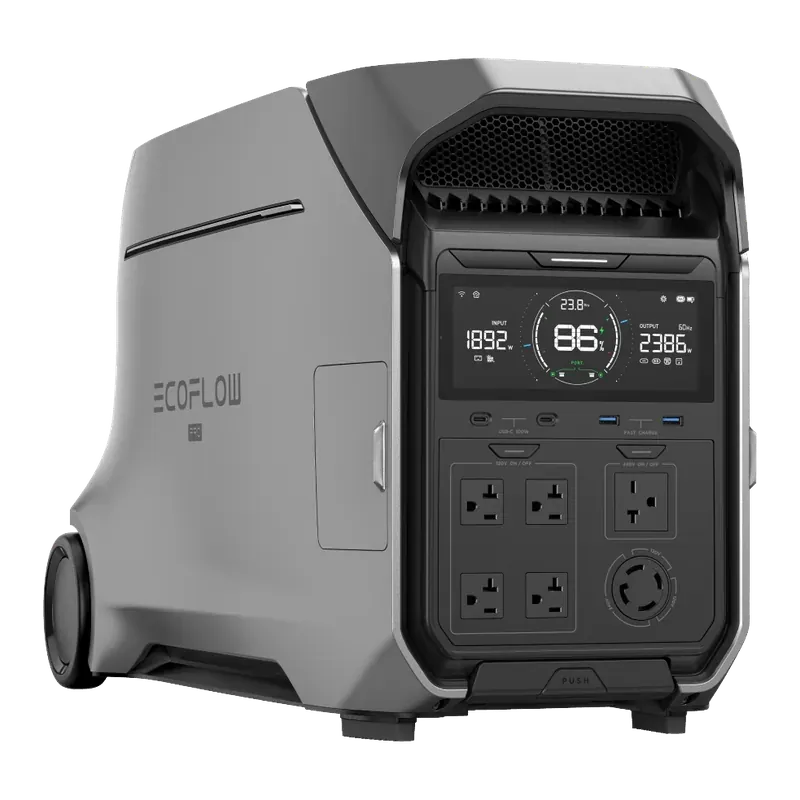
The battery is the problem. An 8-hour night at 350 W uses about 2,800 Wh, which needs roughly 3,300 Wh of battery after inverter losses. A full day uses about 8,400 Wh, or close to 10,000 Wh of battery. A 1,000 Wh unit lasts about 2.5 hours, a 2,000 Wh unit about 5 hours, and the 3,840 Wh Anker SOLIX F3800 Plus about 9.5 hours. Expandable systems can go further. With add-on batteries bringing it to 12,000 Wh, the EcoFlow DELTA Pro 3 would last about 29 hours.
That makes a portable power station the wrong tool to be your oxygen backup on its own. It can bridge a short outage or buy time until your supplier's backup arrives, and the units we list below are picked only for that job. A battery should never be the only backup for life-support equipment. Talk to your equipment supplier about what they provide for outages, and register with your utility's medical-needs program so they know your home depends on power. Use the flow setting your prescriber gave you, not a lower one to save battery.
How long does each power station run a home oxygen concentrator (5 L)?
At about 350 W on average, a home oxygen concentrator (5 L) runs for about 40 min on the 286 Wh EcoFlow RIVER 3 Plus, about 2.5 hrs on a 1,000 Wh-class unit (998–1,070 Wh) and about 10 hrs on the 4,096 Wh EcoFlow DELTA Pro 3. 2 units here can’t run it.
Hours a home oxygen concentrator (5 L) runs on each power station, from a full charge with nothing else plugged in (15% inverter loss). Sorted by battery size.
Swipe sideways for battery size, output and price →
Hours a home oxygen concentrator (5 L) runs on each power station, from a full charge with nothing else plugged in (15% inverter loss). Sorted by battery size.
Estimate: battery Wh × 0.85 ÷ 350 W average (350 W × 1 duty). Your model may draw more or less; check its label. Prices are typical ranges we checked by hand on October 9, 2026, not live prices.
Where these numbers come from
Philips lists the EverFlo 5 L home concentrator at 350 W average, and its compressor runs nonstop, so a 1,000 Wh station lasts only about 2.5 hours. Makers do not publish a start-up figure, so we plan on about three times the running watts, as utility sizing guides do for compressors. A battery should never be the only backup for life-support equipment.
We do not test units ourselves. Picks come from the official spec sheets and manuals, the watt-hour math on this site, and prices we check by hand. How we pick
Stations that can bridge a short outage for a home oxygen concentrator (5 L)
• Ask your equipment supplier what backup they provide that does not depend on electricity, and how quickly they can deliver it during an outage.
• Run the concentrator on its own. Every other device on the same station takes time away from your oxygen.
• Keep the station fully charged at all times, and recharge it whenever grid power, solar or a generator is available.
• If you also have a portable concentrator, ask your supplier whether it can cover outages. At about 40 W it draws far less, so the same battery lasts much longer.
• Keep the concentrator and the station in a ventilated room, away from curtains and bedding.
Add the rest of your devices
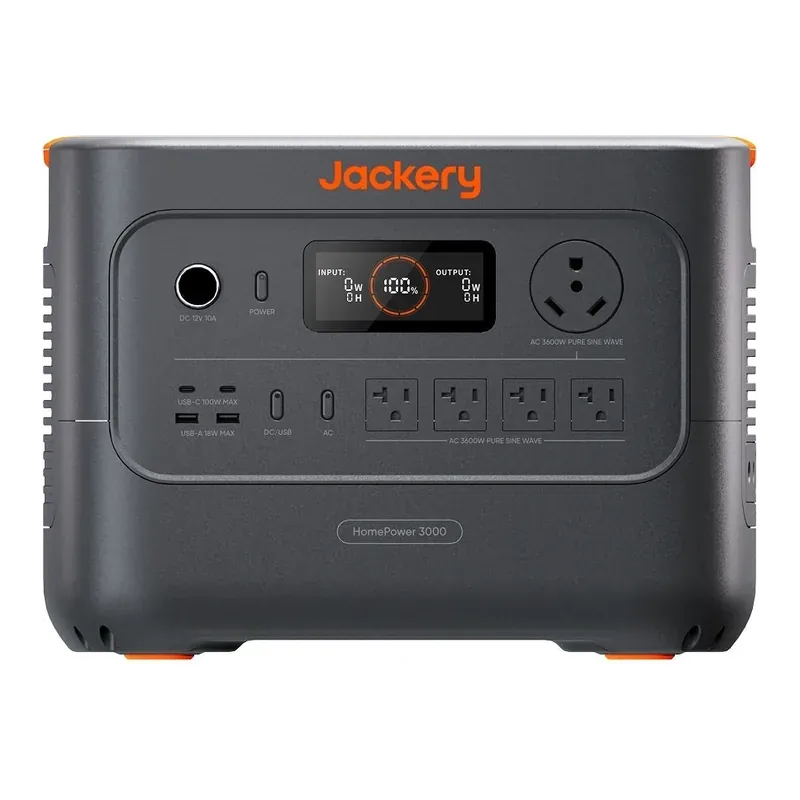
Yes, it can run this, about 7.5 hrs for a home oxygen concentrator (5 L) on the Jackery HomePower 3000.
How long will a power station run a home oxygen concentrator?
At about 350 W, a 1,000 Wh unit lasts about 2.5 hours, a 2,000 Wh unit about 5 hours, a 3,000 Wh unit about 7.5 hours, and a 4,000 Wh unit about 10 hours. Small 288 Wh units last about 40 minutes.
What size power station do I need for an oxygen concentrator overnight?
About 3,300 Wh of battery for 8 hours at 350 W. That means a 3,840 Wh or 4,096 Wh home-backup unit, or an expandable system. A 2,000 Wh unit covers only about 5 hours.
Can a small power station run a home oxygen concentrator?
Some can, but not for long. The 600 W EcoFlow RIVER 3 Plus and BLUETTI Elite 30 V2 have enough output and surge, and last about 40 minutes. The Jackery Explorer 300 v2 (300 W) cannot run it at all, and the Goal Zero Yeti 500's 1,000 W surge is below the roughly 1,050 W start-up we plan for.
Is a power station a safe oxygen backup?
Not on its own. A battery should never be the only backup for life-support equipment. Talk to your equipment supplier about your outage plan and register with your utility's medical-needs program.