Skip to content

Popular searches
Not sure what to search? Try the runtime calculator
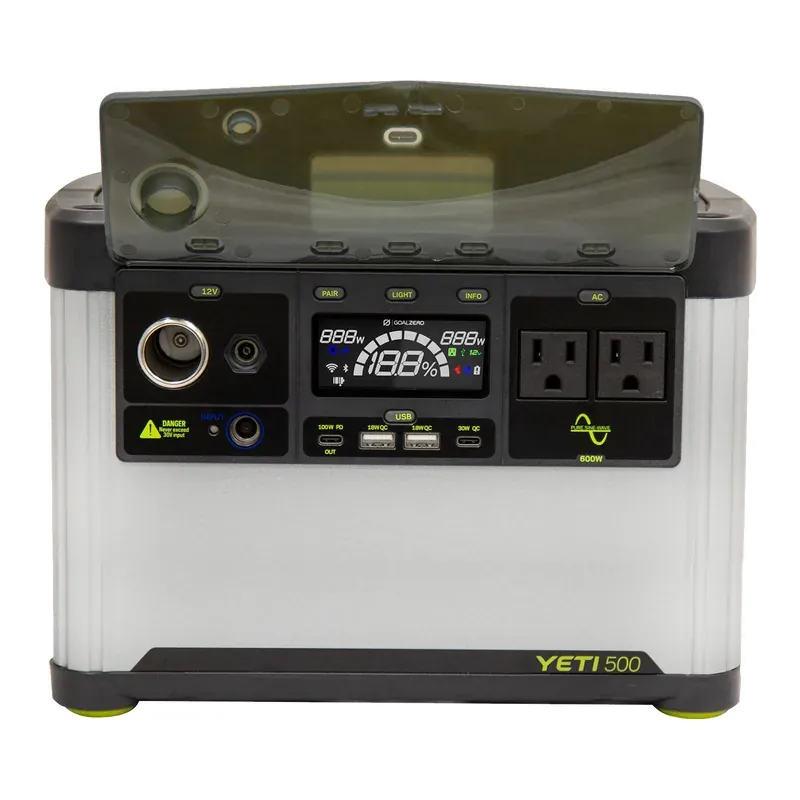
Goal Zero Yeti 500 portable power station, front view
Goal Zero

Goal Zero Yeti 500

The Goal Zero Yeti 500 is a compact 499 Wh station for camping, tailgating and small home-outage jobs like a CPAP, a router or a few hours of fridge time. Its long-life LiFePO4 battery, app control and 90-minute recharge in High mode make it a durable everyday unit. The 500 W output limits it to lower-draw gear, and it has no rated UPS switch-over time.

Capacity
499 Wh
Output
500 W
1,000 W surge
Weight
16.1 lb
Wall charge
1 h 30 min
$340–$500Price checked

How long does the Goal Zero Yeti 500 last?

A full charge runs a CPAP with a heated humidifier for about 12 hours, one full night with room to spare. With the humidifier off, the same CPAP runs about 60 hours, or seven nights. A full-size fridge lasts about 9.5 hours and a Wi-Fi router and cable modem about 17 hours.

Runtime for 18 common devices

One device at a time, from a full charge. Devices that cycle on and off (fridges, freezers, heaters, pumps) use their average draw.

Battery Wh × 0.85 ÷ the device’s average watts. “Can’t run it” means the device needs more than 500 W or a start-up surge above 1,000 W. Try your own mix in the calculator.

Runtime for each device

A full answer for each device on the Goal Zero Yeti 500: hours, start-up surge and other units to consider.

Is the Goal Zero Yeti 500 right for you?

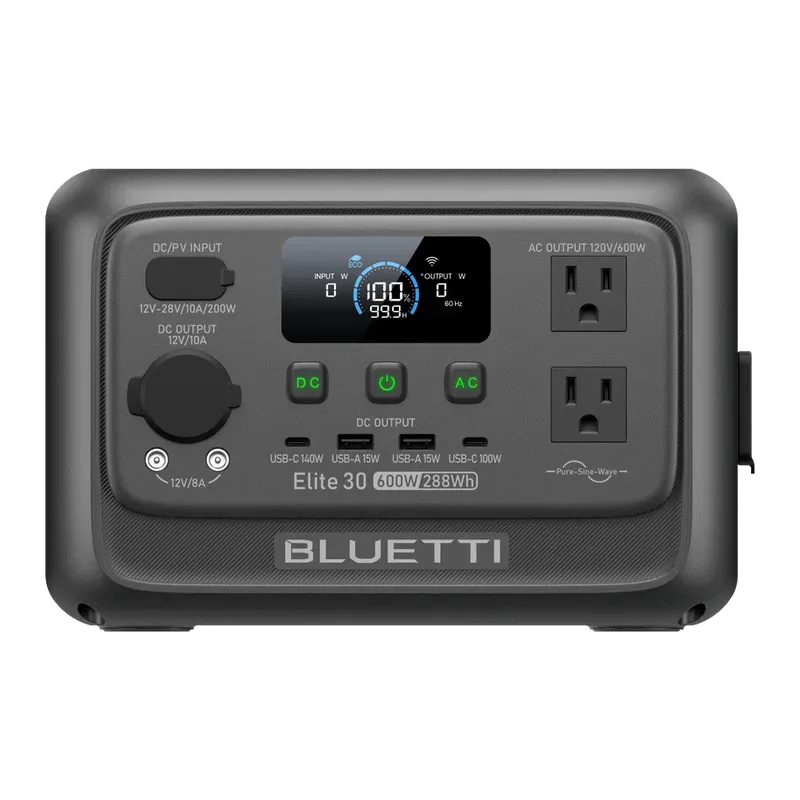
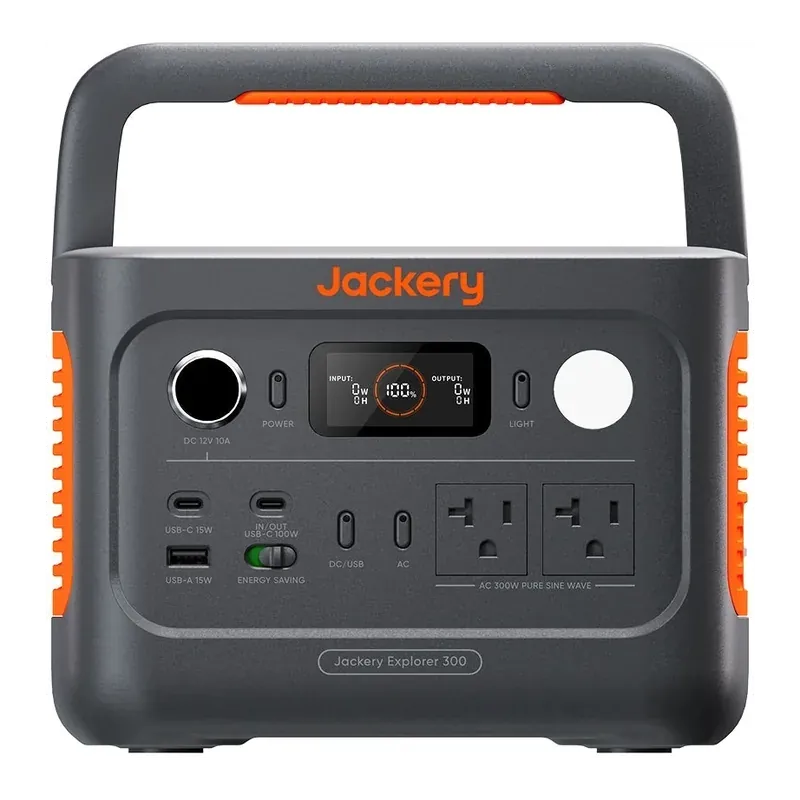
Think of the Yeti 500 as the step between the 300 Wh boxes and the 1,000 Wh class. Its 499 Wh is about 1.7 times what the RIVER 3 Plus or Elite 30 V2 holds. That is the difference between a humidified CPAP lasting part of a night and lasting all of it. It is also built for the outdoors: Goal Zero rates it IPX4 for splashes and says it works down to -4°F.

Its limits are output and outage handling. At 500 W continuous it puts out less than the smaller RIVER 3 Plus and Elite 30 V2 (600 W each). Its 1,000 W surge sits right at what a full-size fridge needs to start, so a fridge with a harder start could trip it. A 5,000 BTU window AC and a home oxygen concentrator are out. It also has no rated UPS switch-over time, so do not count on it to catch a CPAP or router the instant power drops.

Weight is the other trade. At 16.1 lb it is still a one-hand carry, but it holds about 31 Wh per pound, while the Anker SOLIX C1000 Gen 2 holds about 41. The wall charge takes about 90 minutes in High input mode, but it ships set to the slower Low mode, so switch it before you need it. It cannot take extra batteries.

What we like

  • Light enough to carry one-handed at 16.1 lb
  • Long-life LiFePO4 battery rated for 4,000 cycles
  • Full wall recharge in about 90 minutes in High input mode
  • Water-resistant (IPX4) and works down to -4°F

Watch out for

  • 500 W of AC output, so no microwaves or space heaters
  • Solar input tops out at 200 W
  • Cannot add extra batteries, and has no rated UPS switch-over time

Consider instead

  • Anker SOLIX C1000 Gen 2

    1,024 Wh · 2,000 W output · 24.9 lb

    Pick the C1000 Gen 2 if you can carry 24.9 lb. It has about twice the battery, four times the output at 2,000 W, a 10 ms UPS and a 49-minute recharge with UltraFast on. Its typical price range overlaps the Yeti 500’s.

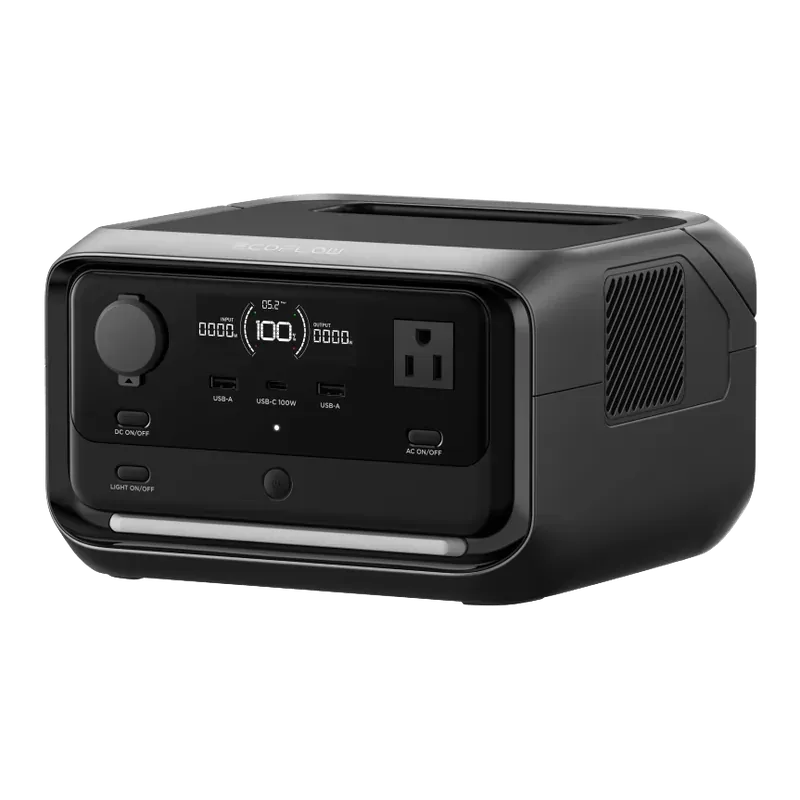
  • EcoFlow RIVER 3 Plus

    286 Wh · 600 W output · 10.4 lb

    Pick the RIVER 3 Plus for a smaller, lower-cost start that can grow. It weighs 10.4 lb, adds a 10 ms UPS and reaches 858 Wh with an extra battery.

Full specs

SpecGoal Zero Yeti 500
Capacity499 Wh
AC output (continuous)500 W
Surge1,000 W
Boost mode (heaters, kettles)None
Battery typeLiFePO4
Cycle life (rated)4,000 (to 80%)
Weight16.1 lb
Wall charge time1 h 30 min (in High input mode; ships in slower Low mode)
Max solar input200 W
AC outlets2
USB-C ports (max)3 (100 W)
USB-A ports2
12V / car portYes (2 DC ports)
ExpandableNo
UPS switch-overNo UPS mode
App controlYes
Size11.32 x 7.82 x 7.8 in
Released2024
Typical price$340–$500

Sources

Specs come from the maker’s own pages, checked . Runtimes use our own watt-hour math. How we pick

Picked in our guides

Similar size

One size smaller, one size bigger

On the Anker SOLIX C1000 Gen 2 (1,024 Wh), runtimes go from about 35 min for a microwave (1000 W) to about 35 hrs for a Wi-Fi router + cable modem, each running by itself.

Swipe sideways to see every device →

Hours from a full charge, one device at a time
Power stationCPAP with heated humidifier 34 W averageWi-Fi router + cable modem 25 W averageFull-size refrigerator 150 W running, about 45 W average55-inch LED TV 90 W averageMicrowave (1000 W) 1,500 W average
BLUETTI Elite 30 V2 288 Wh7 hrs10 hrs5.5 hrs2.5 hrsCan’t run it
Goal Zero Yeti 500 499 Wh12 hrs17 hrs9.5 hrs4.5 hrsCan’t run it
Goal Zero Yeti 1000 (6th Gen) 998 Wh25 hrs34 hrs19 hrs9.5 hrs35 min
Anker SOLIX C1000 Gen 2 1,024 Wh26 hrs35 hrs19 hrs9.5 hrs35 min

Estimates: battery Wh × 0.85 ÷ the device’s average draw. Real runtime depends on temperature, battery age and how hard the device works.

Questions about the Goal Zero Yeti 500

Can the Goal Zero Yeti 500 power a CPAP all night?
Yes. With a heated humidifier at about 34 W it runs about 12 hours, and with the humidifier off about 60 hours. It has no rated UPS switch-over, so run the CPAP from the Yeti directly instead of counting on an automatic handoff.
Can the Yeti 500 run a refrigerator?
Usually. A full-size fridge needs about 1,000 W to start, which is exactly the Yeti 500’s surge limit, and then runs about 9.5 hours. A mini fridge, at about 500 W to start, is an easier fit and runs about 14 hours.
Is the Yeti 500 waterproof?
No. It is rated IPX4, which means it handles splashes. Keep it out of the rain and off wet ground.