A gaming PC draws far more than a laptop, and its draw moves with the game. We plan on 450 W while gaming, based on a mid-range tower with an RTX 5070. NVIDIA rates that graphics card at 250 W and calls for a 650 W power supply, and the rest of the PC adds to it. Because the load rises and falls, we use 80% of 450 W, an average of 360 W. A plug-in watt meter shows what your own build really pulls.
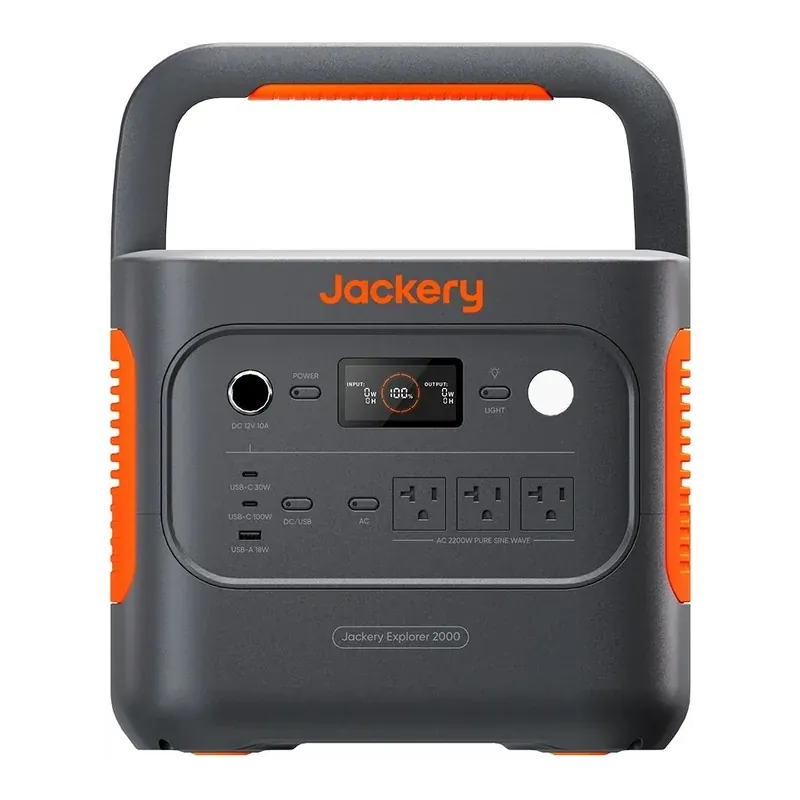
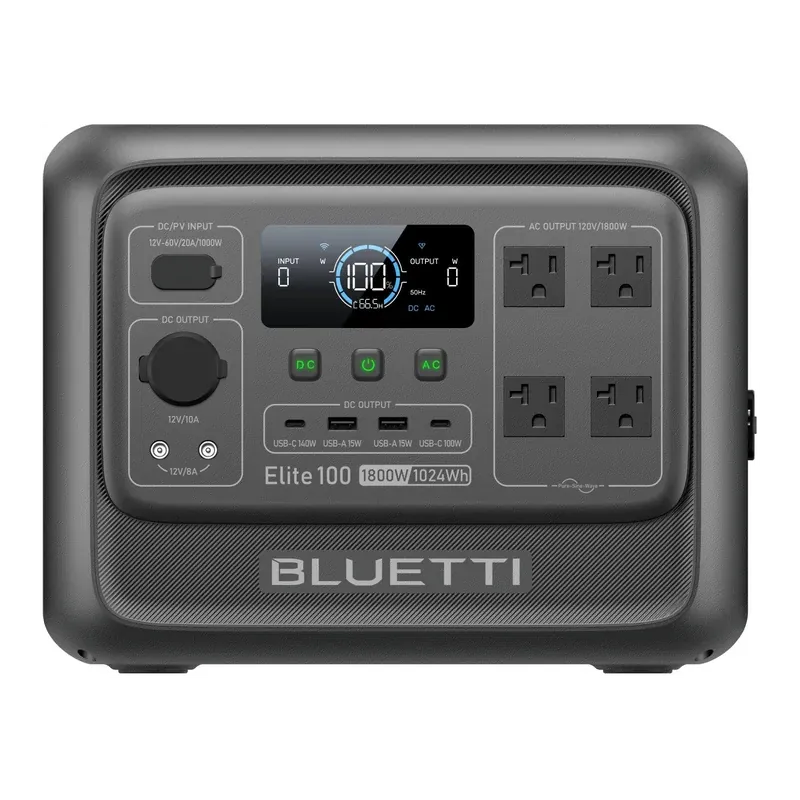
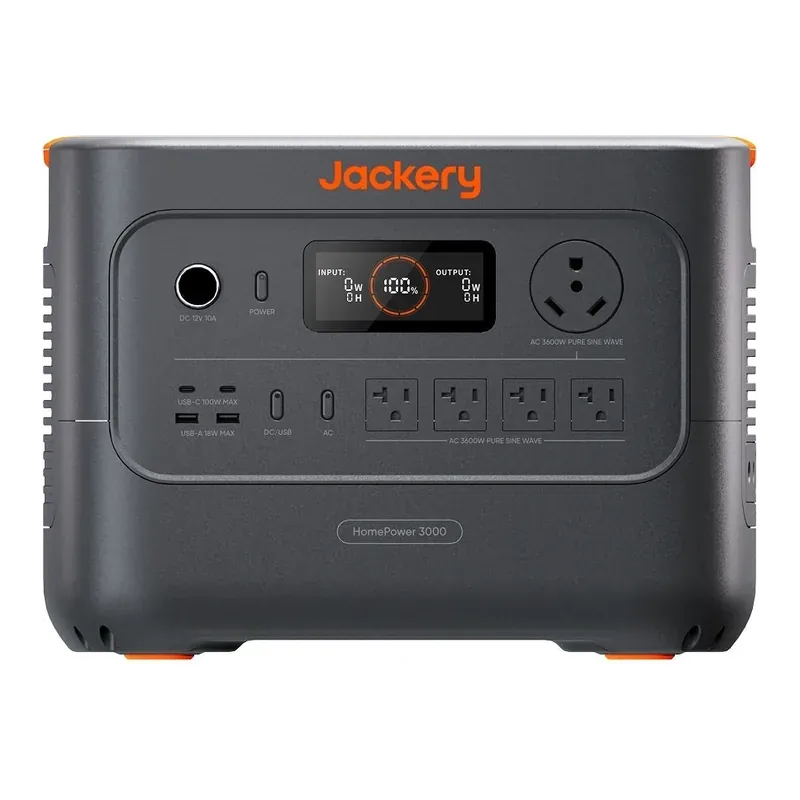
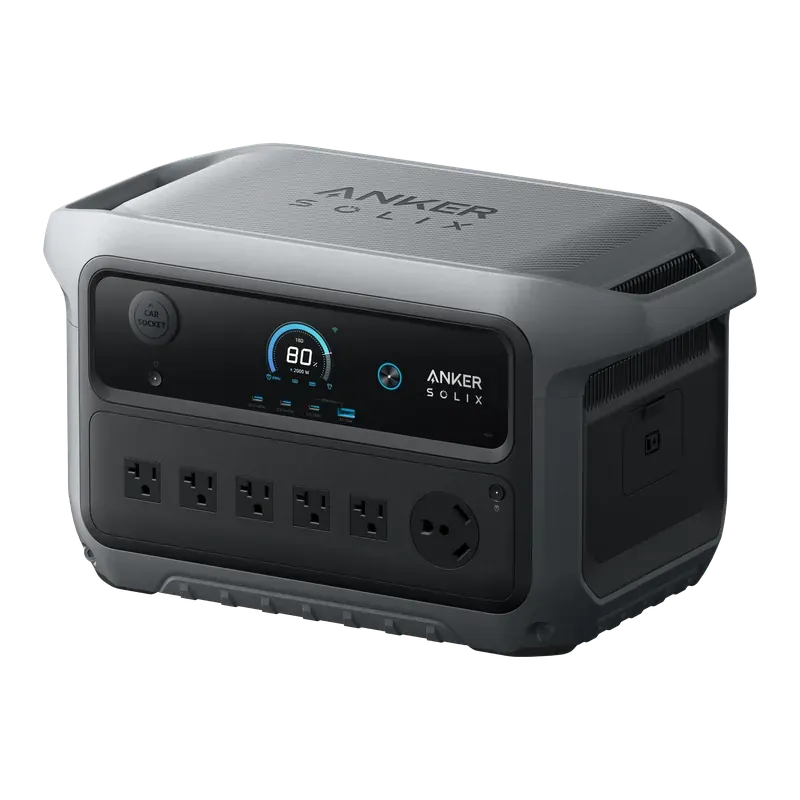
Output is rarely the problem. The PC needs about 650 W for a moment at start-up, so every station in our table can run it except the Jackery Explorer 300 v2, which stops at 300 W. Battery size is the limit. At 360 W, a 286 or 288 Wh unit lasts about 40 minutes and the Yeti 500 about 1 hour. A 1,000 Wh unit gives about 2.5 hours, a 2,000 Wh unit about 5 hours and the HomePower 3000 about 7.5 hours. Four hours of play uses about 1,440 Wh, so even a 2,000 Wh unit covers one long evening.
Your monitor is not in our numbers, so add its watts from the label. A 55-inch LED TV used as a screen draws about 90 W, which gives a feel: the pair averages about 450 W, and a 1,000 Wh unit lasts about 2 hours. The Yeti 500 and the Explorer 300 v2 cannot run that pair at all. Stations that list a UPS switch-over show 10 to 20 milliseconds, but desktop power supplies vary, so test it with your work saved. Never count on the PC staying on through the switch. For a long outage, a laptop uses far less.
How long does each power station run a desktop gaming PC?
At about 360 W on average, a desktop gaming PC runs for about 40 min on the 286 Wh EcoFlow RIVER 3 Plus, about 2.5 hrs on a 1,000 Wh-class unit (998–1,070 Wh) and about 9.5 hrs on the 4,096 Wh EcoFlow DELTA Pro 3. One unit here can’t run it.
Hours a desktop gaming PC runs on each power station, from a full charge with nothing else plugged in (15% inverter loss). Sorted by battery size.
Swipe sideways for battery size, output and price →
Hours a desktop gaming PC runs on each power station, from a full charge with nothing else plugged in (15% inverter loss). Sorted by battery size.
Estimate: battery Wh × 0.85 ÷ 360 W average (450 W × 0.8 duty). Your model may draw more or less; check its label. Prices are typical ranges we checked by hand on October 9, 2026, not live prices.
Where these numbers come from
NVIDIA rates the RTX 5070 graphics card at 250 W and calls for a 650 W power supply, so a mid-range gaming tower draws around 450 W while gaming. Four hours of play uses well over 1 kWh, a big load for any portable station.
We do not test units ourselves. Picks come from the official spec sheets and manuals, the watt-hour math on this site, and prices we check by hand. How we pick
How long will a 1,000 Wh power station run a gaming PC?
About 2.5 hours at an average of 360 W. With a 55-inch TV as the screen, it is closer to 2 hours.
Can a 300 Wh power station run a gaming PC?
Two can, for about 40 minutes: the RIVER 3 Plus and the Elite 30 V2. The Jackery Explorer 300 v2 cannot, since it puts out 300 W and the PC needs about 450 W.
How many watts does a gaming PC use?
A mid-range tower with an RTX 5070 draws about 450 W while gaming, or about 360 W averaged over a session. Bigger graphics cards draw more, so check your own build with a watt meter.
Will my PC shut off when the station switches to battery?
Maybe. Stations that list a UPS switch-over show 10 to 20 milliseconds, but PC power supplies differ. Test it with your work saved, and never expect the PC to stay on.
How long will a 2,000 Wh power station run a gaming PC?
About 5 hours at 360 W, or about 4 hours with a 55-inch TV as the screen. The HomePower 3000 reaches about 7.5 hours on the PC alone.